

A major new chapter has opened at the San Diego Zoo Safari Park — and it’s one designed to bring guests closer than ever to the world’s largest land mammal.
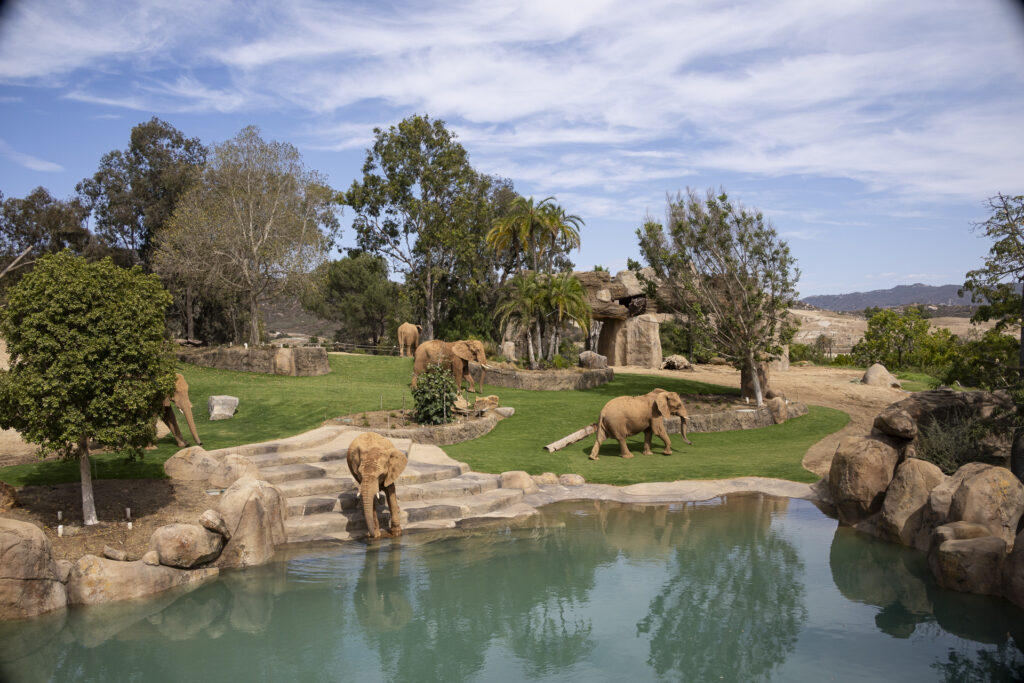
Earlier this week, the Safari Park officially unveiled Denny Sanford Elephant Valley, a thoughtfully designed new habitat and visitor experience that places African savanna elephants at the center of a sweeping, immersive landscape. Located within the park’s expansive 1,800-acre property in Escondido, Elephant Valley invites guests to walk alongside the herd while learning about the crucial role elephants play in ecosystems around the world.
More than a viewing area, the space was designed to inspire something deeper: empathy, understanding, and a renewed commitment to conservation.
COURTESY SAN DIEGO ZOO WILDLIFE ALLIANCE
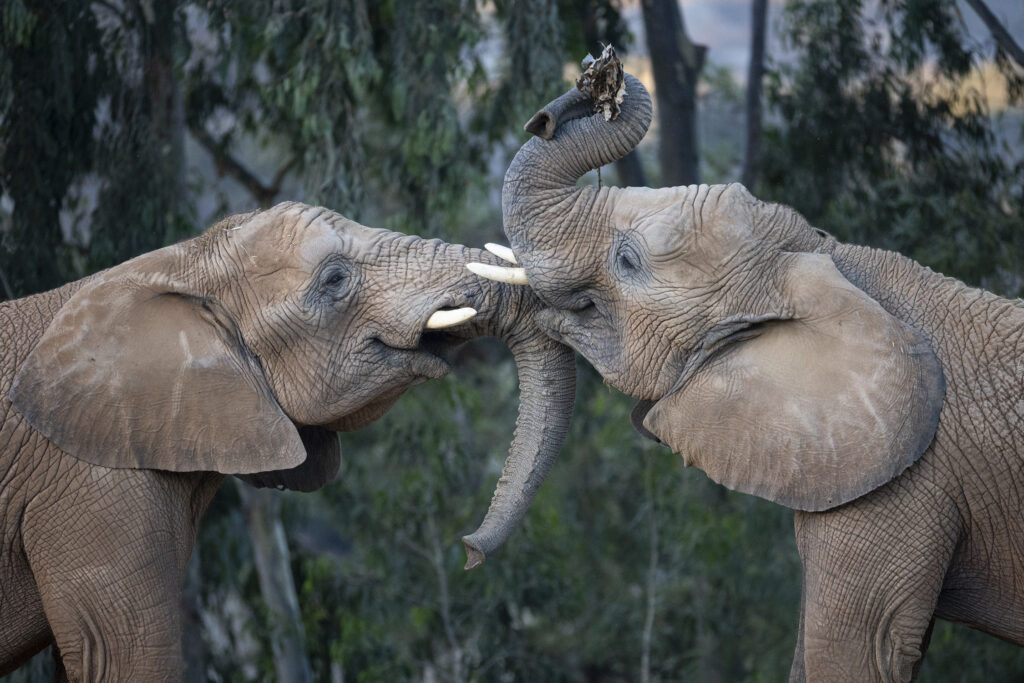
Elephant Valley surrounds visitors with elephants on multiple sides, creating the feeling of sharing common ground with the herd. Along the pathways, guests can observe the animals up close — taking in details like their wrinkled skin, long eyelashes, and the subtle social behaviors that define life within the group.
A pedestrian bridge crosses the valley, offering a particularly memorable moment: directly beneath the walkway runs an elephant passageway that mirrors wildlife corridors used in natural habitats. The design is meant to reflect how conservationists help animals move safely through landscapes shared with humans.
The Safari Park’s herd includes eight elephants: Swazi, Ndlulamitsi (Ndlula), Umngani, Qinisa (Nisa), Phakamile (Kami), Khosi, Mkhaya, and Umzula-Zuli (Zuli). Three of the herd’s founding members — Swazi, Ndlula, and Umngani — were rescued in 2003.
Visitors will also learn about the complex social structure of elephant families and their role as ecosystem engineers, shaping landscapes in ways that benefit countless other species.
COURTESY SAN DIEGO ZOO WILDLIFE ALLIANCE
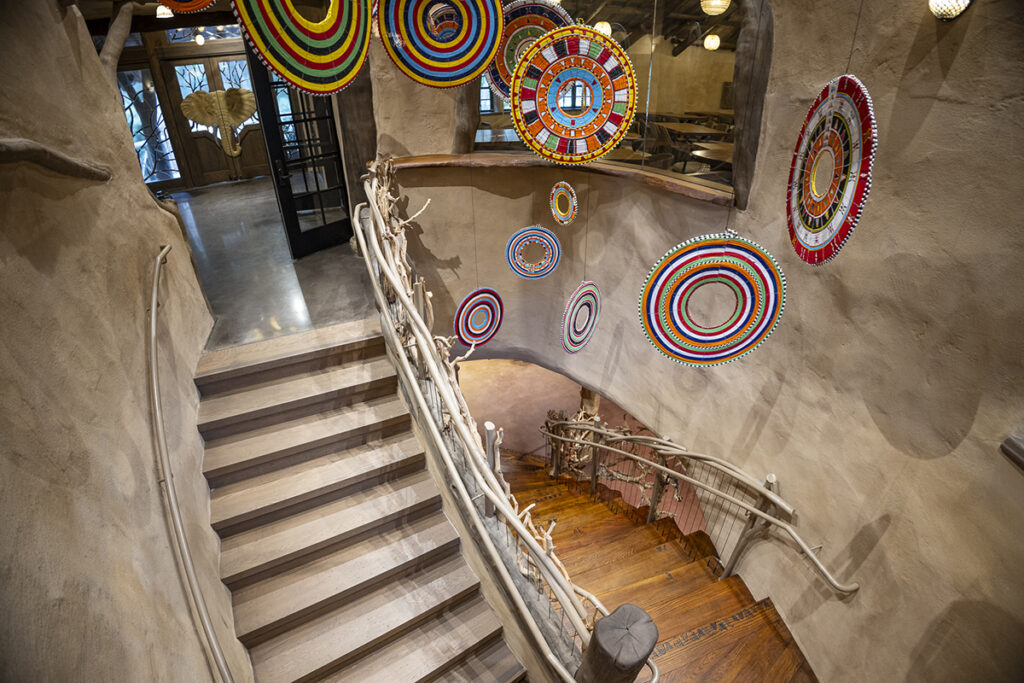
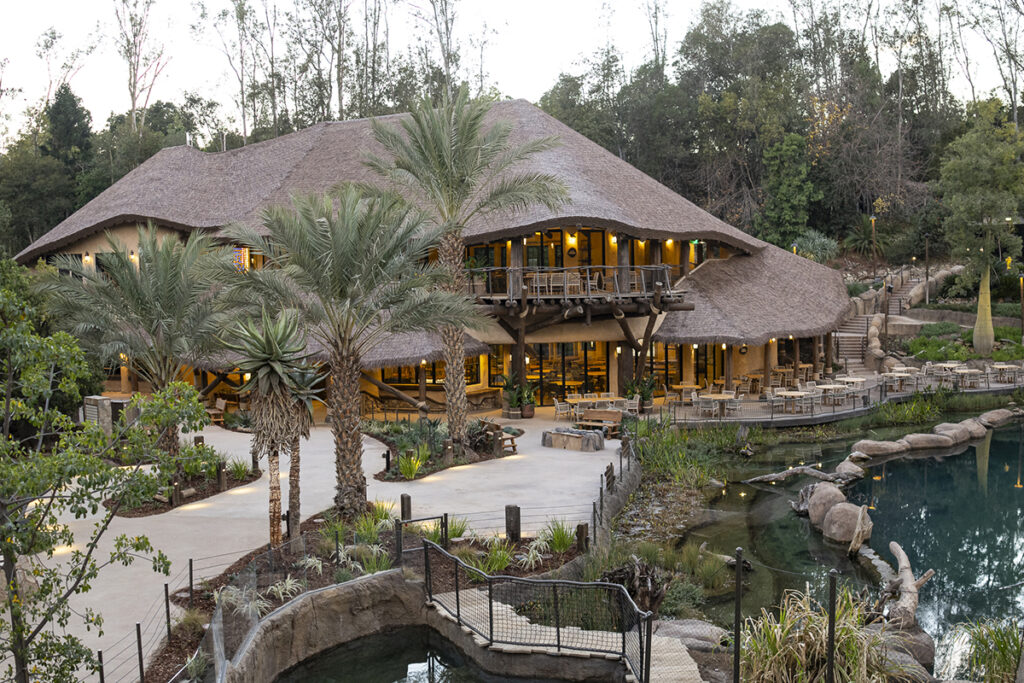
At the center of Elephant Valley is Mkutano House, a two-story restaurant that brings guests even closer to the action.
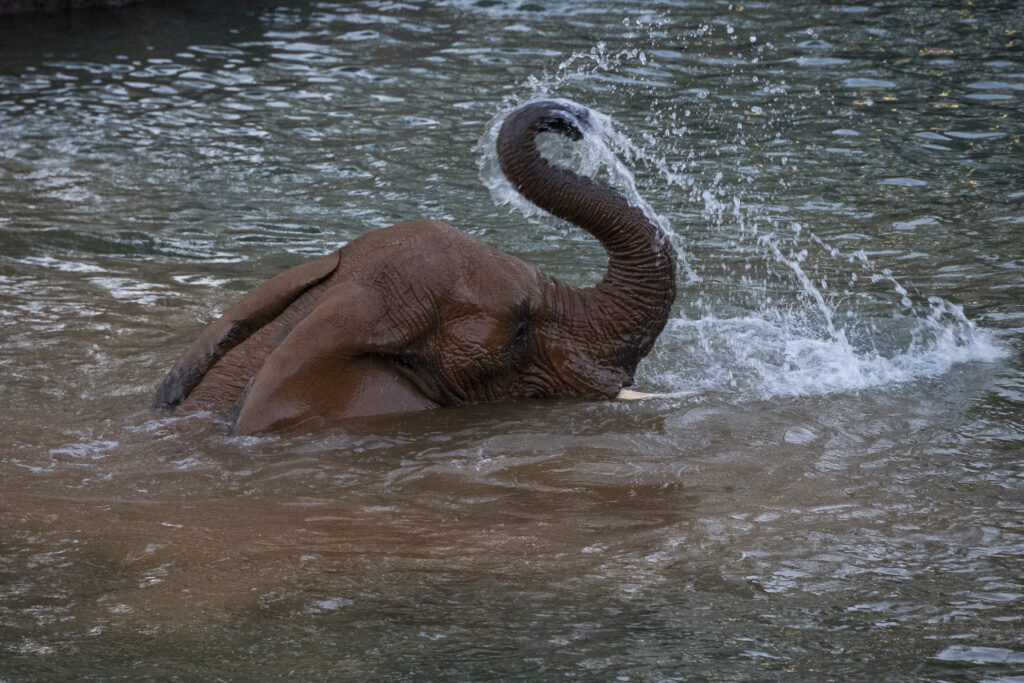
The Swahili word mkutano means “gathering with purpose,” and the restaurant lives up to its name. Positioned directly alongside one of Elephant Valley’s two watering holes — a 240,000-gallon oasis where the herd often wades, swims, and plays — the dining space offers one of the most unique wildlife-viewing experiences in the park.
The menu draws inspiration from culinary traditions across Africa, blending regional influences with globally familiar flavors. Just outside, Mkutano Park serves as a gathering area where educators share insights about African wildlife and conservation efforts.
The space also celebrates African artistry: the restaurant features handmade pieces from BeadWORKS Kenya, a social enterprise that supports women artisans in pastoralist communities by creating economic opportunities through traditional beadwork.
Elephant Valley’s environment was developed with remarkable attention to ecological detail. A team of horticulturists curated more than 350 individual plants, many of them rare or endangered African species, to recreate the textures and sensory experience of the continent’s savannas and grasslands.
Throughout the habitat, visitors will encounter storytelling markers inspired by Samburu cultural traditions, including vibrantly beaded talking sticks that highlight the connections between local communities and elephants in Kenya.
These elements underscore a key message of Elephant Valley: conservation isn’t just about wildlife — it’s also about the people and cultures who coexist with these animals.
African savanna elephants are currently listed as Endangered on the International Union for Conservation of Nature (IUCN) Red List, due largely to habitat loss and increasing human–elephant conflict.
Research conducted both in Africa and at the Safari Park contributes to global efforts to better understand elephant health, behavior, and social dynamics. That knowledge helps conservationists develop tools to protect elephants in the wild and promote sustainable coexistence between humans and wildlife.
As Shawn Dixon, president and CEO of the San Diego Zoo Wildlife Alliance, noted during the opening ceremony, conservation victories are built through long-term collaboration and research.
Elephant Valley reflects that mission — bridging the work happening in San Diego with conservation initiatives across Africa.
The San Diego Zoo Safari Park, home to more than 3,000 animals representing over 290 species, remains one of North County’s most unique destinations for connecting with wildlife.
Elephant Valley is now open and included with regular Safari Park admission, giving visitors a new way to experience one of the park’s most beloved animals — while learning why protecting them matters.
And if you’re lucky, you might even catch the herd splashing in their watering hole while you watch from the patio at Mkutano House.
Not a bad way to spend an afternoon in North County.


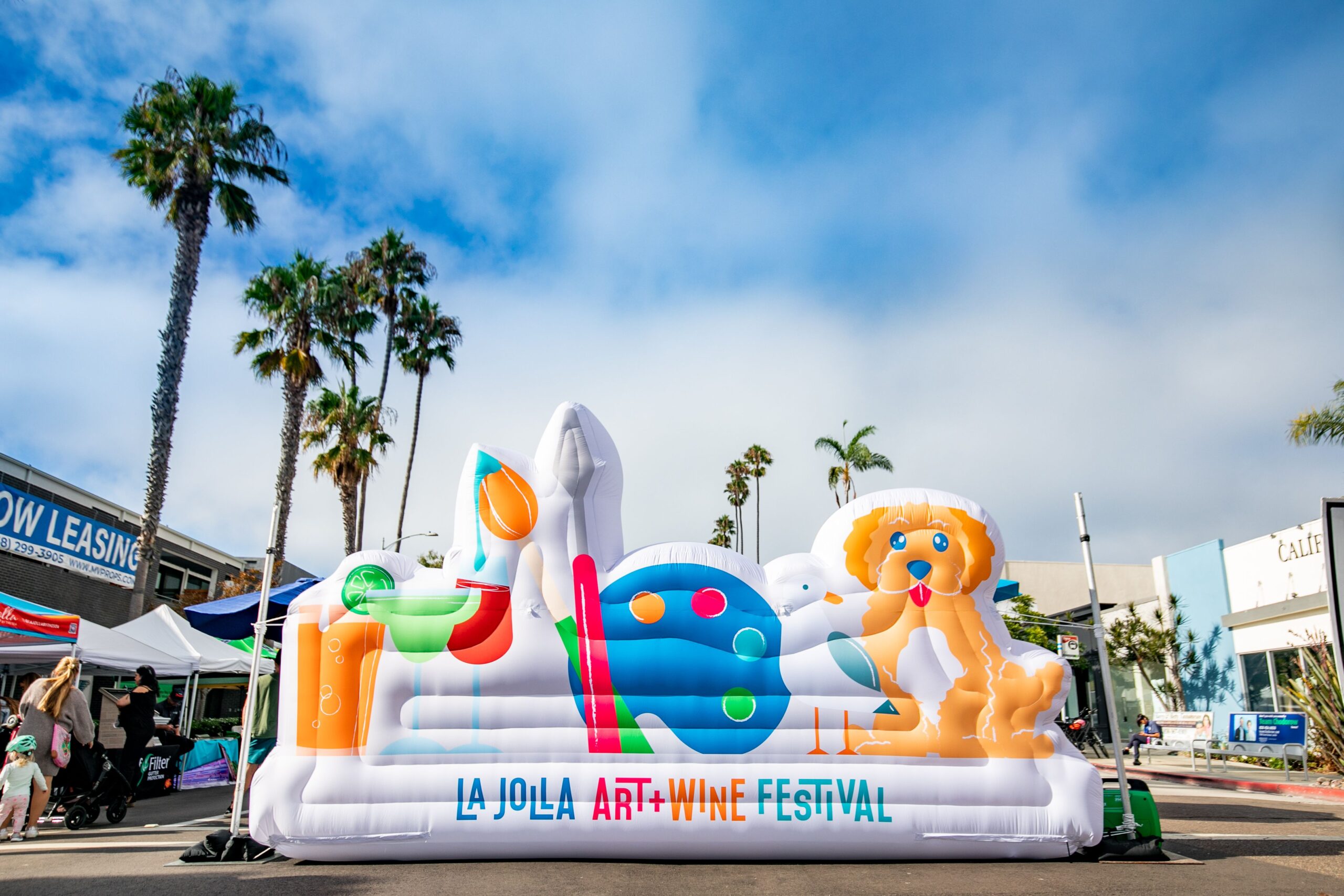
More than 170 artists, an open-air tasting garden, live music and plenty to eat take over Girard Avenue October 10–11.

Discover the best pumpkin patches in North County San Diego & plan your next fall adventure with hayrides, corn mazes, petting zoos, and more.

Discover the best day pool & spa passes in North County, San Diego from top resorts with luxurious amenities, unique settings, and guaranteed relaxation.

COVER COURTESY RANCHO VALENCIA The final race may be over, but Opening Day is far from finished. From elegant resort soirées to high-energy dance parties, here’s where to keep the […]

From what to wear and when to arrive to where to dine and celebrate afterward, here’s everything you need to make the most of Del Mar’s biggest day of the season.

Whether he prefers a surf session, steak dinner, or a perfectly brewed cup of coffee, we’ve rounded up the best ways to celebrate Father’s Day in North County.